


Columbia prides itself on being a research university that seeks to promote “an environment that sustains the highest standards of scholarship, learning, and safety.” The University boasts over $1 billion in grants and external funding annually, credits itself with over 400 inventions annually, and has produced 88 Nobel Laureates. Leading this institution are the Trustees, who are tasked with guiding the University towards a stable future and protecting its core mission of education and enlightenment.
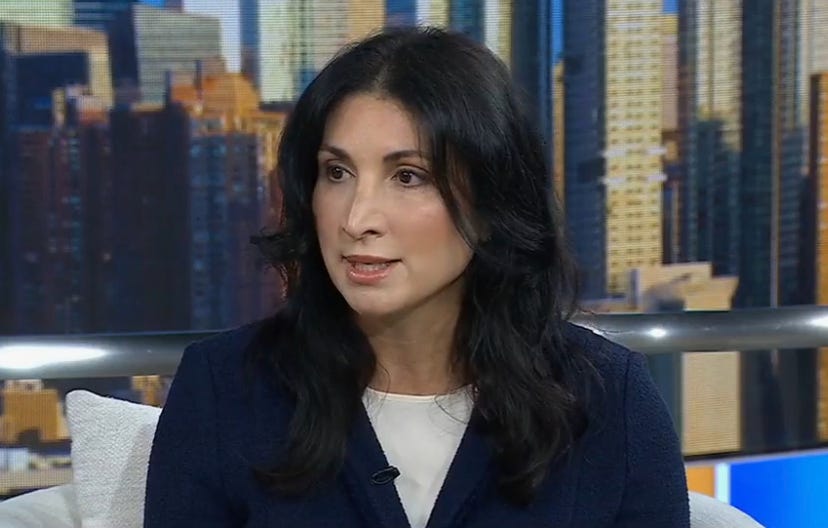
However, recent legal disputes and a Sundial investigation into Trustee Shoshana Shendelman, VP&S ’03, ’04, ’05, reveal new information about potential scientific misconduct when she was a graduate student at Columbia that casts doubt on the legitimacy of the Trustees’ governance.
Shendelman was elected as a Trustee in 2023. In November 2024, the Food and Drug Administration rejected govorestat, the lead drug candidate of Applied Therapeutics, a biotech firm founded by Shendelman. In a December 2024 letter addressed to Shendelman, the FDA cited “objectionable conditions” observed during inspections, including the deletion of clinical trial data ahead of an FDA inspection and failure to disclose dosing “errors” made during a pediatric clinical trial.
Within weeks, shareholders filed a class action lawsuit alleging that Shendelman, the company, and its chief medical officer had misled investors about the drug’s regulatory review. Shendelman stepped down as CEO days later. The parties reached a settlement in August 2025, and in March 2026, a federal judge granted final approval to the $15 million settlement.
The publicly available settlement information reveals no assignment of blame; Sundial reached out to Wolf Popper, the attorneys representing the class action plaintiffs in this case, and did not receive a response.
The FDA’s findings are not the first time questions have been raised about Shendelman’s scientific work.
In March 2024, Dutch microbiologist and image-integrity analyst Elisabeth Bik—writing on PubPeer, a website where researchers publicly discuss published papers—flagged apparent irregularities in a figure from a 2004 PLoS Biology paper on which Shendelman is first author. Two of the images, which are meant to show control samples from separate experiments, appear to be identical.
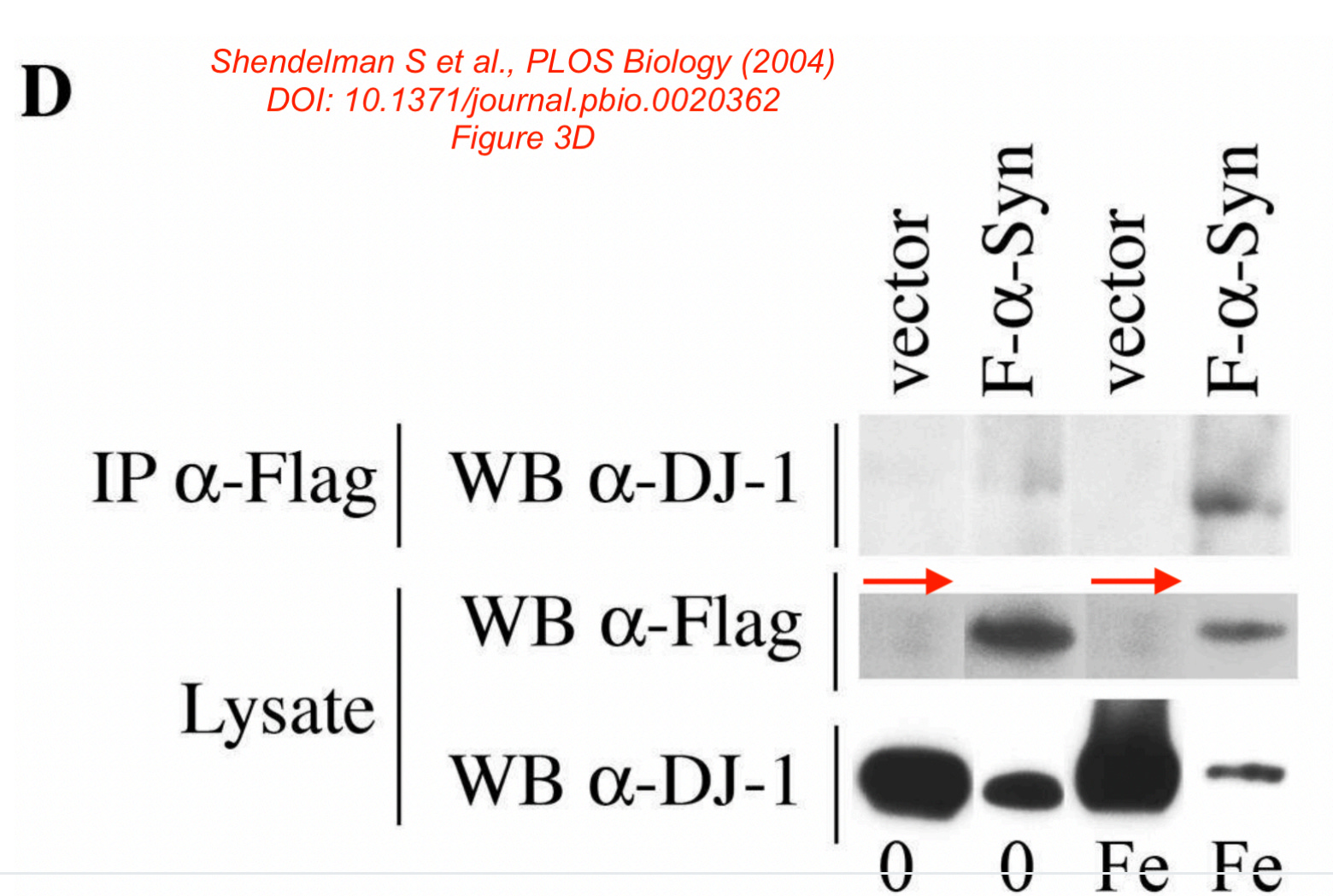
To corroborate, Sundial reached out to Bik for comment. “The results from each experimental condition appear to have been cut out and pasted side by side, which makes them harder to compare fairly. In addition, two lanes labeled as separate control samples appear to be identical, suggesting that the same blot image may have been used twice,” Bik wrote in response.
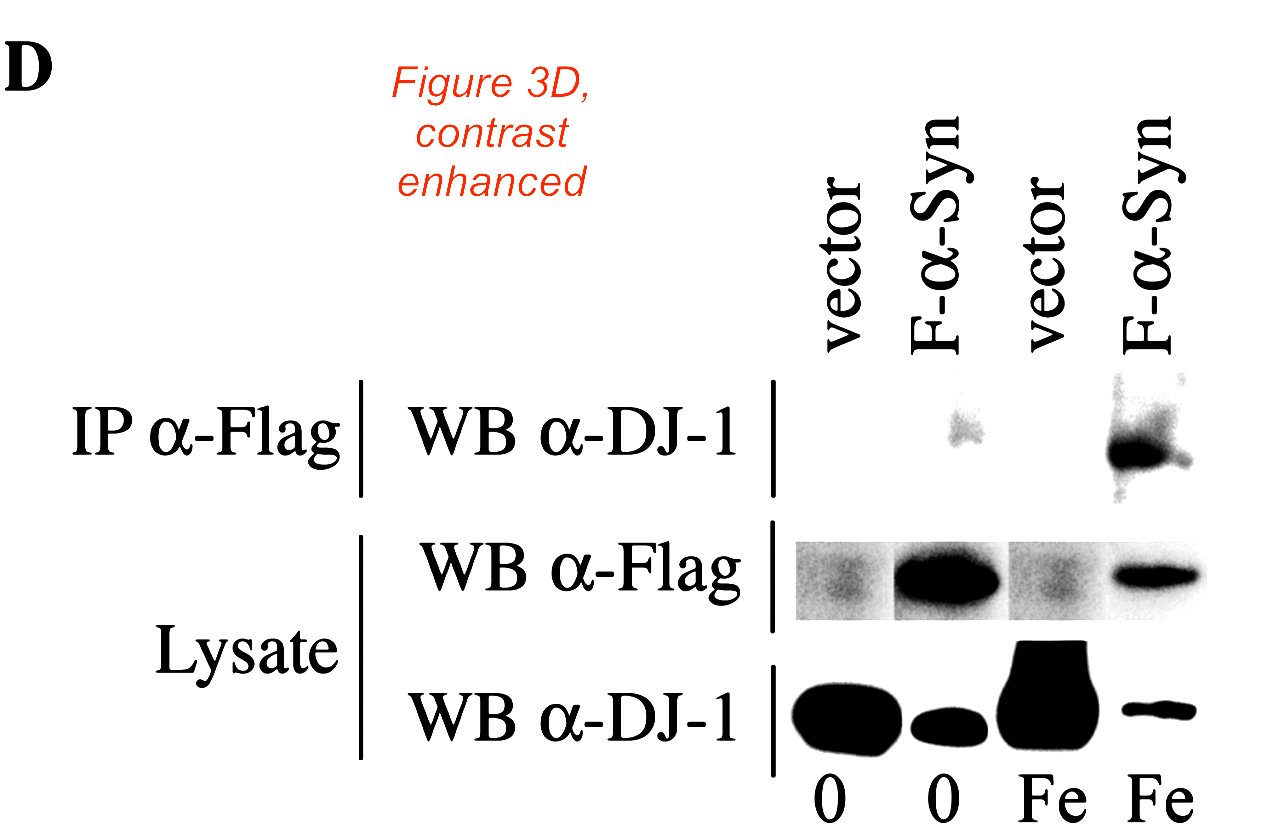
Bik told Sundial she was “confident about that duplication.” She sent a version of Figure 3D with enhanced contrast, saying there were “enough details (strips and lighter dots) to see” the duplication clearly.
In November 2024, Bik reported these concerns to PLoS Biology, the original publisher of the paper in which these figures appeared. To her knowledge, there was no action taken, nor did the authors reply on PubPeer.
According to Columbia’s policies on research misconduct, falsification “includes purposeful manipulation, modification, or omission of data or results.” If the duplication was intentional, it could constitute falsification under the University’s own definition. Shendelman was a Columbia doctoral student in 2004, when the paper was published—and if the University holds its current students to zero tolerance for research misconduct, it should hold its Trustees, who were once students themselves, to no lower a standard. (Shendelman did not respond to Sundial’s request for comment.)
Shendelman’s doctoral advisor and the senior author of the PLoS paper, Asa Abeliovich, has faced scrutiny of his own. In 2015, two papers from his lab—a 2011 Cell paper and a 2013 Nature paper, both with Abeliovich as senior author—were retracted after investigators found that first author Ryousuke Fujita had fabricated and falsified data in 74 figure panels. A 2007 Science paper from Abeliovich’s lab has also been flagged on PubPeer for possible image duplication.
Abeliovich left his tenured Columbia position in October 2017 after founding Prevail Therapeutics that July. In 2019, Alector, a biotech he had previously co-founded, brought a confidential arbitration against him over alleged breaches of his consulting agreement and misuse of confidential information. According to Alector, the arbitrator found him liable for breach of contract and for destroying documents relevant to the proceeding; according to Prevail, the arbitrator rejected the claim that he used Alector’s trade secrets in his work for Prevail. (Abeliovich did not respond to a request for comment.)
A source close to University leadership, who spoke to Sundial under the condition of anonymity, said that Columbia held investments in Applied Therapeutics during the period in which the FDA rejected govorestat and issued a warning letter to the company, while Shendelman was an active University Trustee. According to Applied Therapeutics’ public SEC filings, in 2017, they issued to the Trustees of Columbia University stock with a fair value of $0.5 million and recorded that as a research and development expense.
According to the “2016 Columbia Agreement” as listed in the filing, there was an upfront payment and, “following the occurrence of certain trigger events,” Applied Therapeutics “issued to Columbia University shares equal to 5% of our outstanding common stock on a fully diluted basis at the time of issuance.”
After the FDA’s rejection and warning letter became public in November 2024, the company’s stock value nosedived by roughly 90%, dropping from $10.21 per share at closing on November 26 to $2.03 per share at closing on November 29, the day after govorestat was rejected. The shares plummeted further to $1.29 per share on December 5, a few days after the FDA warning letter was disclosed.
It is unclear whether Columbia still held all 486,077 shares from its licensing agreement at the time; if it did, the University’s stake would have gone from being worth around $5 million to around $0.63 million.
Despite the seriousness of the allegations involving Applied Therapeutics, Shendelman was not removed from her positions as a University Trustee or Vice Chair of the Vagelos College of Physicians and Surgeons Board of Advisors.
A spokesperson from the University’s Office of Public Affairs, when asked to comment, responded that “we do not comment on allegations received or reviewed and cannot confirm or deny their existence.”
Columbia’s IRS Form 990 filings state that “All trustees are subject to the ‘Statement of Conflict of Interest Policy for the Trustees of Columbia University.’” According to the 990 filing, this policy states, in part, that when a Trustee is aware of an existing or potential conflict of interest, they must disclose it to the Board Chair, refrain from acting to influence any decision which might improperly benefit the Trustee, and recuse themselves from discussions or decisions when relevant.
The conflict of interest policy was only recently made available on the Office of the Secretary’s website, after repeated requests for comment by Sundial and Columbia Daily Spectator and a spring 2026 referendum from Columbia College calling for its release. While the form is now public, the individual disclosures of conflicts of interest from the Trustees are still not available publicly; therefore, it is unclear whether Shendelman ever disclosed her involvement in Applied Therapeutics during her term as Trustee, or if she had any influence over the University’s holdings in Applied Therapeutics.
When asked about the University’s stake in Applied Therapeutics and potential conflicts of interest, the spokesperson from Public Affairs merely directed Sundial to the 2019 Trustee bylaws with no further elaboration.
In a University Senate Plenary on December 12, 2025, Senator Eli Baum CC ’26 asked then-Acting President Shipman about the conflict of interest that Shendelman posed. “The whole company was made with Columbia licensing, Columbia patents, Columbia personnel,” Baum said in the December meeting, in relation to Applied Therapeutics.
Shipman replied: “I don’t think it’s my position to comment on individual board members.”
In July 2025, House Rep. Elise Stefanik (R-NY) sent a letter to Shipman about her text messages to other Board members regarding Shendelman. Shipman had said of Shendelman, “I just don’t think she should be on the board,” and that she was “so, so tired” of Shendelman. Evidently, Shipman was capable of commenting on individual board members—just not publicly.
In one message, Wanda Holland Greene, CC ’89, TC ’91, ’21, then-Vice Chair of the Board of Trustees, referred to Shendelman as a “mole” and a “fox in the henhouse.” The messages were controversial, as Shendelman has been an outspoken advocate of Jewish and Zionist students on campus and has publicly called on the Board to comply with the Trump administration’s demands regarding alleged anti-Jewish Civil Rights violations at Columbia.
By the 2019 bylaws in effect when Shendelman first entered office, her current term ends in 2029. (The new 2026 bylaws, amended in August, revise a Trustee’s term to be four years instead of six; it is unclear whether the new policy applies to sitting Trustees.)
The current bylaws for the Board of Trustees state that, “A Trustee may be removed for cause by the vote of a majority of the Trustees then in office.” The bylaws don’t define “cause,” and they give no mechanism for anyone outside the board (students, faculty, the Senate, alumni) to initiate a removal. The existing process, this investigation finds, is unduly opaque and subject only to internal accountability. The existence of guidelines sans public disclosures from each individual Trustee is simply smoke-and-mirrors—for any such policy to be enforceable, someone other than those with the most to lose ought to be enforcing it. Whether the Trustees have ever considered Shendelman’s case, or ever reviewed her conflict-of-interest disclosures, is known only to the Trustees themselves.
American higher education has, for the past few years, been experiencing a crisis of confidence. Although there is no panacea for the anxieties that roil under the surface of our universities, it seems sensible that those who shape the future of our educational institutions should act responsibly to bring back said confidence. Part and parcel of that calling would be for the University’s foremost representatives—the President, Trustees, and the rest of senior leadership—to actually reflect the mission that their institution espouses and claims to inculcate in future generations. With this responsibility comes an invitation for an elevated degree of scrutiny. Shendelman and her peers who are supposed to oversee her conduct seem to fail that test—or, at least, aren’t willing to explain why they don’t deserve our scrutiny.
Ms. Chen is a junior at Columbia College studying linguistics, economics, and East Asian languages & cultures. She is a deputy editor for Sundial.
The opinions expressed in this article are solely those of the author and do not necessarily reflect the views of the Sundial editorial board as a whole or any other members of the staff.